Lagoon Dredging Equipment & Industrial Lagoon Maintenance
IMS is proud of its roots in the industrial and wastewater lagoon industry; the first Versi-Dredge was launched in a wastewater lagoon in 1986. Lagoon dredging and municipal holding pond cleanup often requires handling contaminated debris and understanding environmental protocols. Dredging industrial plant lagoons is necessary to keep production schedules on time and businesses in compliance with regulations.
If you would like to speak with someone about Versi-Dredge equipment and your industrial lagoon maintenance & dredging needs, call (866) 483-0014 or click “Get Started” below to tell us about your project.
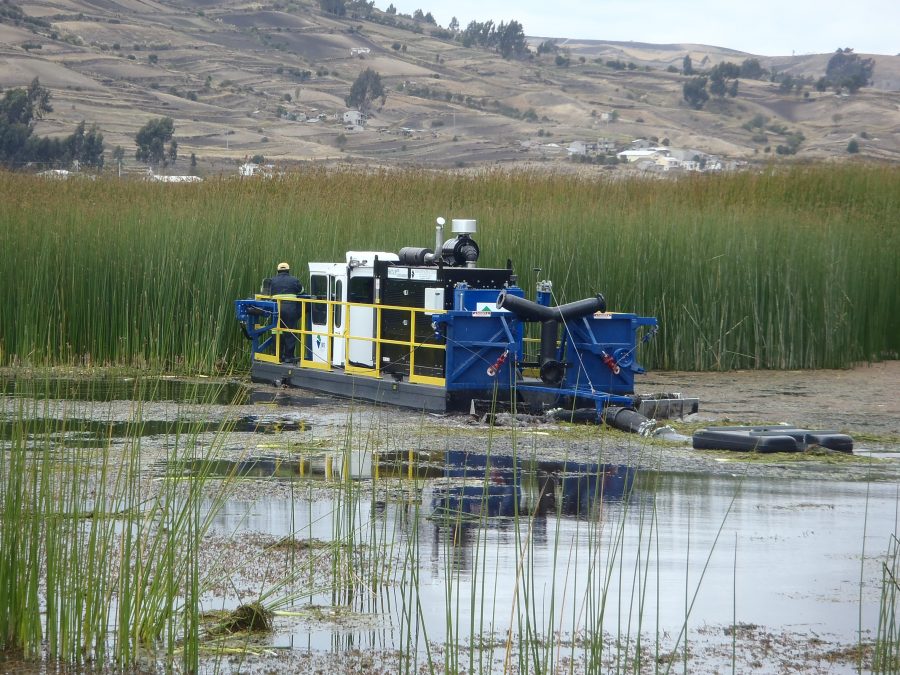
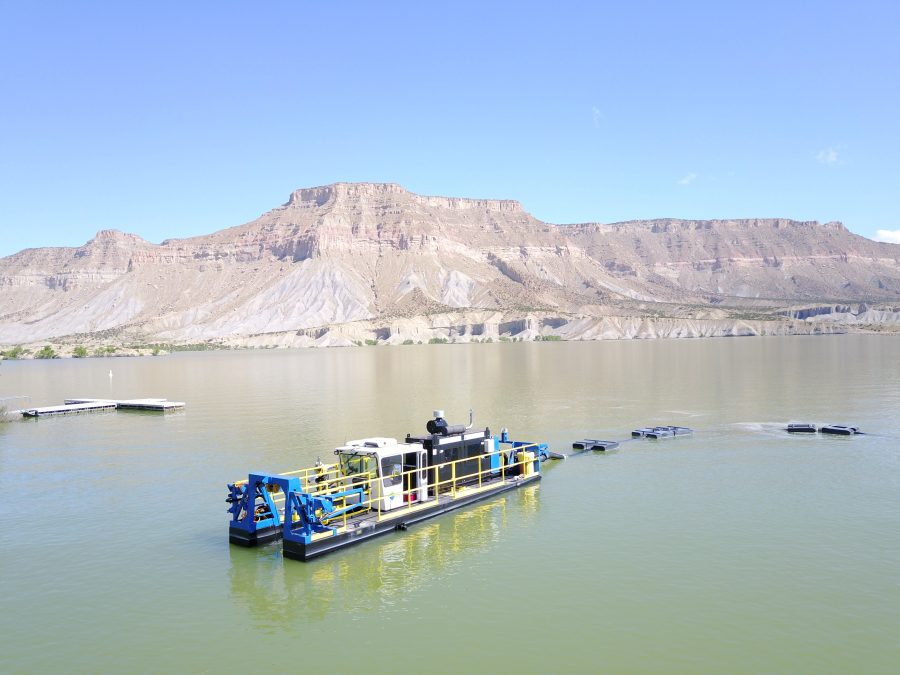
IMS Versi-Dredges Maintaining Lagoons Around The World
Versi-Dredge Capabilities
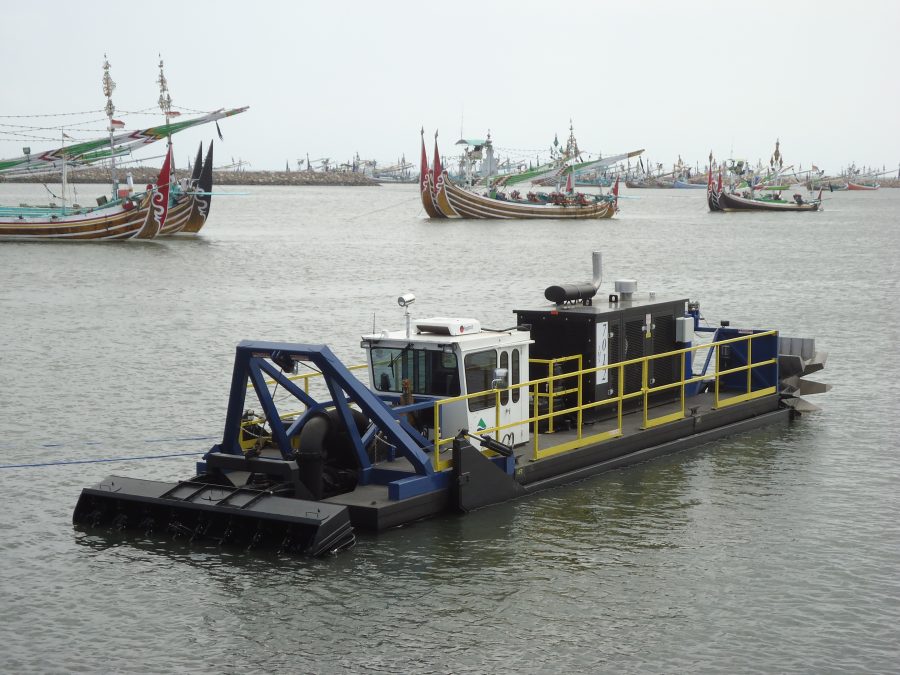
All IMS Versi-Dredge products still come standard with cable drive provisions. When dredging lined wastewater treatment plant ponds, the operator can switch from Starwheel Drive self-propulsion mode and run the dredge on a 2-point or 4-point shore anchor drive system.
The SolidsMaster cutterhead can also be fitted with adjustable gauge wheels to protect the pond liner during lagoon maintenance. Whether you are dredging municipal sludge, hog farm ponds, or a lime sludge pond, the Versi-Dredge is the right tool for the application.
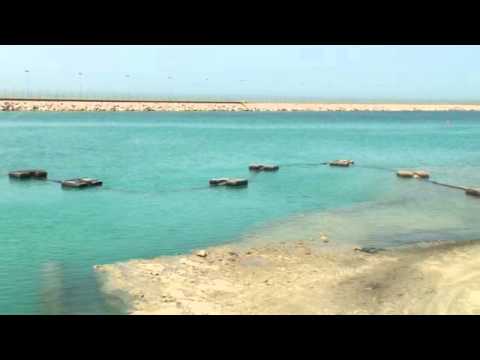
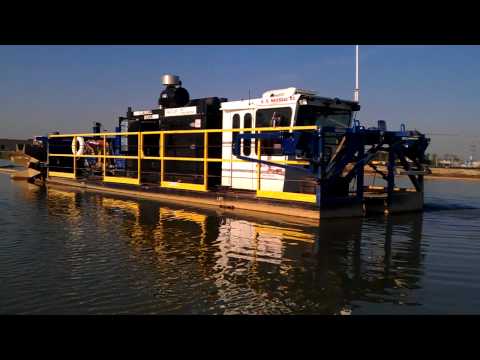
Murjan Al-Sharq for Marine Services (MSMS) performs maintenance dredging at a major oil producer’s sea water plant in Saudi Arabia. The 7012 HP was required to work 24 hrs. a day in two shifts in 120 degree heat.
One of Merrell Bros. IMS Model 5012 LP Versi-Dredge units deploys its 4-point cable drive anchor system to work in a poly lined wastewater lagoon. The sludge is pumped to shore where it is rapidly dewatered into a truckable cake using Merrell’s filter press systems.
News

Napa Sanitation District Harvests Napa’s Sewage Sludge for Fertilizer

City of Bethel’s Sewer Lagoon Dredging Project Makes Progress
The City of Bethel is making progress on its Sewer Lagoon Rehabilitation Project, which entails dredging the primary lagoon cell and repairing the sheet pile jetty.

Hattiesburg Pennsylvania Spending $5M to Dredge Two Sewage Lagoons
Two companies – L&A Contractors and Merrell Brothers – have been working on dredging two city lagoons with the worst sludge problem.

IMS 7012 HP Operates 24/7 to Meet Deadline at Saudi Seawater Intake Lagoon
A major oil company in Saudi Arabia has awarded Murjan Al-Sharq for Marine Services (MSMS)., via open tender process, a contract to dredge a sea water plant.
Frequently Asked Questions
Most wastewater and sewage lagoons can be dredged while they stay in service, because a floating hydraulic dredge removes accumulated sludge one cell at a time without draining the lagoon. The IMS Versi-Dredge’s self-propulsion and patented Pump Defender® debris guard let it work around aerators and debris with minimal downtime. This keeps the plant compliant and operating throughout the cleanout.
For industrial and municipal lagoon sludge removal, a self-propelled hydraulic dredge is the most effective tool because it pumps sludge directly to a dewatering or disposal area without draining the lagoon. IMS 5012 LP and 5012 HP dredges are sized for most lagoons, while the 7012 HP handles large industrial ponds such as fly-ash, papermill and seawater-intake lagoons. For lined ponds, Versi-Dredges can run on a secondary cable-drive propulsion system in place of the Starwheel Drive so the liner is not damaged. The model and cutterhead are matched to your sludge type.
Pumped lagoon sludge is typically dewatered using geotextile tubes, settling or drying beds, or mechanical dewatering, often with flocculants and coagulants to speed solids separation; the dried solids are then hauled for disposal or beneficial reuse such as fertilizer. IMS supplies GeoPool® dredge dewatering along with discharge accessories to match your disposal plan. Plan the dewatering area before dredging begins.
Debris, rags and aerators are the main causes of downtime when dredging wastewater and industrial lagoons. IMS dredges address this with the patented Pump Defender® self-cleaning debris guard that continuously clears the pump inlet to reduce clogging, an abrasion-resistant pump that passes large solids, and self-propulsion to maneuver around obstacles — all while the lagoon stays in service. IMS matches the cutterhead and debris protection to your sludge type.
Yes. IMS dredges are built for tough lagoon material — the abrasion-resistant pump passes large solids and the patented Pump Defender® self-cleaning debris guard keeps the pump inlet clear to reduce clogging downtime. IMS Versi-Dredges are working in oil sludge, lime sludge, fly-ash and cooling-pond applications worldwide, including lined ponds using the secondary cable-drive system. The setup is tailored to your material.
Dredging frequency depends on sludge accumulation rate, lagoon capacity and discharge permits — many industrial and wastewater lagoons are dredged on a multi-year cycle, with monitoring to maintain treatment capacity and compliance. Owning a dredge lets operators clean on their own schedule rather than waiting for a contractor. IMS can help you plan a maintenance cycle.